
Quick answer: Cavapoos usually live 12 to 15 years, and many healthy Cavapoos reach 16 or older. Smaller Toy and Mini Cavapoos often live a little longer than larger Standards. The biggest things that shorten a Cavapoo's life are heart disease inherited from the Cavalier King Charles Spaniel, obesity and dental disease, so health tested parents, a lean weight and regular vet and dental care make the biggest difference.
The Cavapoo breed is a charming and affectionate cross between a Cavalier King Charles Spaniel and a Poodle. With their gentle nature and affectionate personality, it's no wonder that Cavapoos are a popular choice for families and pet owners. However, just like any other pet, it is important to understand the lifespan of a Cavapoo in order to provide the best possible care for them. By understanding the average lifespan of a Cavapoo, as well as any health problems they may face, pet owners can ensure a long and happy life for their furry friend.
Average Lifespan of Most Cavapoos
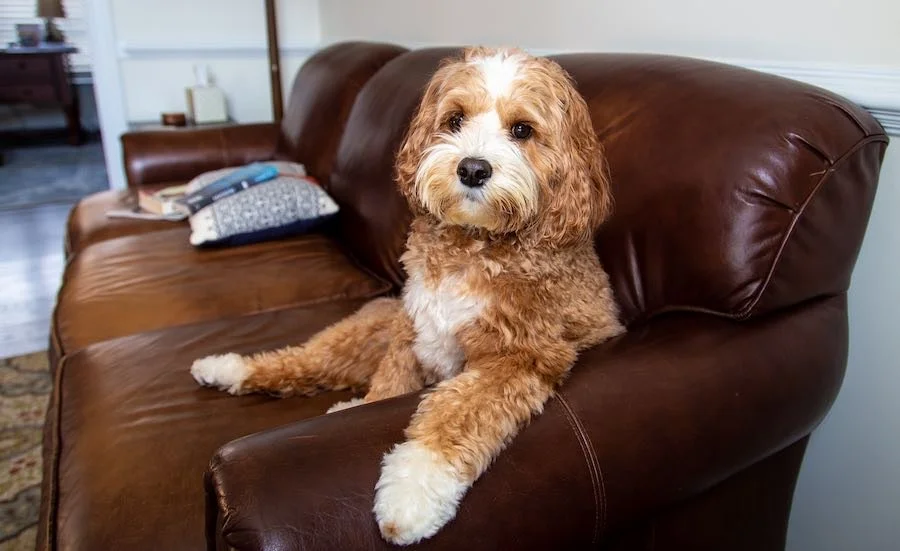
The typical lifespan of a Cavapoo is between 12 and 15 years, although some may live longer with proper care and attention. The lifespan of a Cavapoo is influenced by a number of factors, including genetics, nutrition, exercise, and overall health. Genetics play a significant role in determining the lifespan of a Cavapoo, as certain health problems may be inherited from their parents. Good nutrition, including a balanced diet and appropriate portion sizes, is also important in extending the lifespan of a Cavapoo. Regular exercise is essential for maintaining a healthy weight and keeping the heart and joints strong, which can help prevent health problems and extend the lifespan of your pet. Lastly, regular vet checkups can help catch any potential health problems early on and ensure that your Cavapoo remains healthy and happy for many years to come.
Common Health Problems Faced by Cavapoos
Cavapoos, like many small breeds, are prone to certain health problems. Some of the most common health issues faced by Cavapoos include hip dysplasia, patellar luxation, and heart problems. Hip dysplasia is a genetic condition that affects the hip joint and can cause discomfort and pain. Patellar luxation is a condition in which the kneecap dislocates, causing discomfort and difficulty walking. Heart problems, including heart murmur and mitral valve disease, can also affect Cavapoos. Regular vet checkups, including x-rays, blood tests, and heart exams, can help catch these health problems early and prevent them from becoming more serious. By taking care of your Cavapoo's health, you can ensure a long and happy life for your furry friend.
What Do Cavapoos Usually Die From?
Heart disease. Mitral valve disease (MVD) is very common in Cavalier King Charles Spaniels, and it is the most important health risk for Cavapoos. Crossing with a Poodle lowers the risk, and choosing a breeder who heart tests the Cavalier parent lowers it even more. Your vet can listen for a murmur at every checkup.
Cancer. Like most dogs, some Cavapoos develop cancer in their senior years.
Kidney and liver disease. These are more common in older small dogs and can often be managed for a long time when caught early with blood work.
Complications from obesity and dental disease. Extra weight strains the heart and joints, and bad teeth can lead to infections that affect the whole body.
Extending the Life of Your Cavapoo
There are several ways to extend the life of your Cavapoo and keep them healthy and happy for as long as possible, which should be done starting from when they are a Cavapoo puppy. These include:
Providing proper nutrition: Feeding your Cavapoo a balanced diet with appropriate portion sizes can help keep them healthy and prevent obesity.
Maintaining a healthy weight: Keeping your Cavapoo at a healthy weight can prevent health problems and extend their lifespan.
Regular exercise: Regular exercise can help prevent obesity, maintain a healthy weight, strengthen the heart and joints, and improve mental health.
Regular vet checkups: Regular vet checkups can help catch health problems early, prevent more serious issues from developing, and ensure that your Cavapoo is up-to-date on their vaccinations and preventive care.
Mental stimulation: Providing your Cavapoo with mental stimulation, such as puzzle toys and training, can help keep their mind active and healthy and prevent boredom and depression. Trained Cavapoo puppies are less likely to cause anxiety in the home, which is better for everyone!
By incorporating these steps into your Cavapoo's daily routine, you can help extend their lifespan and keep them healthy and happy for many years to come.
Feeding Your Cavapoo

Proper nutrition is essential for maintaining the health and lifespan of a Cavapoo. Feeding your Cavapoo a balanced diet with appropriate portion sizes is key to ensuring that they are getting all the nutrients they need to stay healthy. It is important to avoid overfeeding your Cavapoo, as obesity can lead to health problems and reduce their lifespan. It's also recommended to feed your Cavapoo high-quality dog food that meets their nutritional needs and avoid giving them table scraps or human food. Consult with your vet to determine the best diet for your Cavapoo based on their age, weight, and activity level.
Cavapoo Healthy Weight
Maintaining a healthy weight is essential for the health and lifespan of a Cavapoo. Obesity can lead to health problems such as joint problems, heart problems, and breathing difficulties. Most full grown Cavapoos weigh about 10 to 25 pounds depending on whether they are a Toy, Mini or Standard size, and a few larger Standards reach 30 pounds. It is essential to monitor your Cavapoo's weight and adjust their diet and exercise routine as needed to maintain a healthy weight. Regular exercise, such as walks, playtime, and games, can help keep your Cavapoo at a healthy weight and prevent obesity.
Regular Exercise for Your Cavapoo
Regular exercise is important for maintaining the health and lifespan of a Cavapoo. Exercise can help prevent obesity, maintain a healthy weight, strengthen the heart and joints, and improve mental health. Cavapoos are energetic and playful, making them well-suited for daily exercise. It is important to provide your Cavapoo with regular exercise, such as walks, playtime, and games, to keep them healthy and happy.
Puppies playing and exercising.
Vet Checkups
Regular vet checkups are essential for maintaining the health and lifespan of a Cavapoo. Vet checkups can help catch health problems early, prevent more serious issues from developing, and ensure that your Cavapoo is up-to-date on their vaccinations and preventive care. It's recommended to take your Cavapoo to the vet at least once a year for a checkup and more often if they have any health concerns.
Mental Health
Mental health is just as important as physical health when it comes to the lifespan of a Cavapoo. Regular exercise, playtime, and socialization can help improve mental health and prevent boredom and depression. Providing your Cavapoo with mental stimulation, such as puzzle toys and training, can also help keep their mind active and healthy. It is important to pay attention to your Cavapoo's behavior and seek help from a vet if you suspect that they may be struggling with mental health issues. One thing is for sure, if you are spending time with your hypoallergenic Cavapoo you’ll both be happier mentally.
Cavapoo Lifespan Checklist (How to Ensure a Long Life)
How to Help Your Cavapoo Live a Longer Life
Feed a high-quality diet that supports small-breed health and avoids fillers.
Exercise daily with walks and play to maintain a healthy weight.
Brush teeth and schedule dental care to prevent small-dog dental issues.
Keep up with regular vet visits and vaccinations.
Socialize and train early to prevent stress-related behaviors.
Provide mental enrichment with toys and interactive games to keep them sharp and happy.
Cavapoo Lifespan by Size
Toy Cavapoo (about 7 to 13 lbs): around 13 to 16 years.
Mini Cavapoo (about 13 to 20 lbs): around 12 to 15 years.
Standard Cavapoo (about 20 to 30 lbs): around 12 to 14 years.
Every dog is an individual, so good genetics and care matter more than size alone.
Signs Your Cavapoo Is Getting Older
Most Cavapoos are considered seniors at about 8 to 10 years old. Watch for graying around the muzzle, sleeping more, stiffness when getting up, cloudy eyes, and changes in appetite or thirst. Senior Cavapoos do best with vet visits every 6 months, softer bedding, shorter but regular walks, and a diet made for older small dogs.
Conclusion
The lifespan of a Cavapoo can be extended by providing proper care and attention, including good nutrition, regular exercise, and regular vet checkups. By understanding the common health problems faced by Cavapoos and taking steps to prevent and treat these problems, pet owners can ensure a long and happy life for their furry friend. With proper care, love, and attention, your Cavapoo can be a loving and loyal companion for many years to come.
Frequently Asked Questions
Q: How many years does a Cavapoo usually live?
A: On average, 12 to 15 years with good care. Many healthy Cavapoos live to 16 or even longer.
Q: What genetic or health issues impact Cavapoo lifespan?
A: Heart disease (especially mitral valve disease from the Cavalier side), patellar luxation, hip dysplasia, eye problems and dental disease are the most common. Health tested parents lower these risks.
Q: How do I keep my Cavapoo healthy into old age?
A: Balanced meals, daily exercise, a lean body weight, tooth brushing and yearly vet visits are key.
Q: Do Cavapoos need special care in their senior years?
A: Yes. Joint supplements, gentle exercise, softer bedding and vet checkups every 6 months can make a big difference.
Q: Do Cavapoos live longer than Cavalier King Charles Spaniels?
A: Usually, yes. Cavaliers often live about 9 to 14 years, while Cavapoos commonly live 12 to 15 years, partly because the Poodle side helps reduce inherited heart disease.
